
Air Freight Management: Turning Urgent Shipping Into a Planned Strategy
Air freight is one of the fastest transportation options available for businesses that need to move goods quickly. Whether responding to supply chain disruptions, meeting customer deadlines, or replenishing critical inventory, air freight helps companies maintain continuity and reduce delays. However, because it is often more expensive than other transportation modes, businesses should use it strategically rather than relying on it as a routine solution.
Many organizations turn to air freight only when urgent situations arise. While this may solve immediate challenges, frequent expedited shipments can increase transportation costs and create inefficiencies. A structured air freight strategy helps businesses balance speed, service, and cost while supporting overall supply chain performance.
Establish Clear Shipping Guidelines
Effective air freight management begins with clear transportation policies. Businesses should define when air freight is appropriate and establish approval processes for expedited shipments.
These guidelines can be based on factors such as shipment urgency, customer commitments, production requirements, and potential financial impact. Having a consistent decision-making process helps reduce unnecessary air shipments and ensures transportation resources are used efficiently.
When teams follow clear procedures, they can make faster and more informed decisions while maintaining greater control over freight spending.
Build Strong Carrier Relationships
Reliable carrier partnerships play an important role in air freight operations. Access to dependable capacity can help businesses avoid delays and maintain service levels during periods of high demand.
Working with multiple carriers provides flexibility and reduces the risk of disruptions caused by limited capacity or scheduling changes. At the same time, maintaining strong relationships with preferred carriers can improve service reliability and create opportunities for more competitive pricing.
A balanced carrier strategy helps businesses secure transportation capacity while supporting long-term operational goals.
Improve Shipment Visibility
Visibility is essential for managing air freight effectively. Real-time tracking allows businesses to monitor shipments throughout transit and identify potential issues before they impact delivery schedules.
Access to accurate shipment data improves communication between suppliers, carriers, logistics providers, and customers. It also enables faster responses to delays, route changes, or unexpected disruptions.
With better visibility, organizations can make proactive decisions that help protect service performance and reduce supply chain risks.
Reduce Avoidable Expedited Shipments
Not every air freight shipment is driven by genuine urgency. In many cases, delays result from forecasting errors, inventory shortages, production challenges, or poor coordination across the supply chain.
By analyzing shipping patterns and identifying recurring issues, businesses can address the root causes of transportation emergencies. Improved planning, inventory management, and demand forecasting often reduce the need for costly last-minute air shipments.
A proactive approach allows organizations to reserve air freight for situations where speed delivers the greatest value.
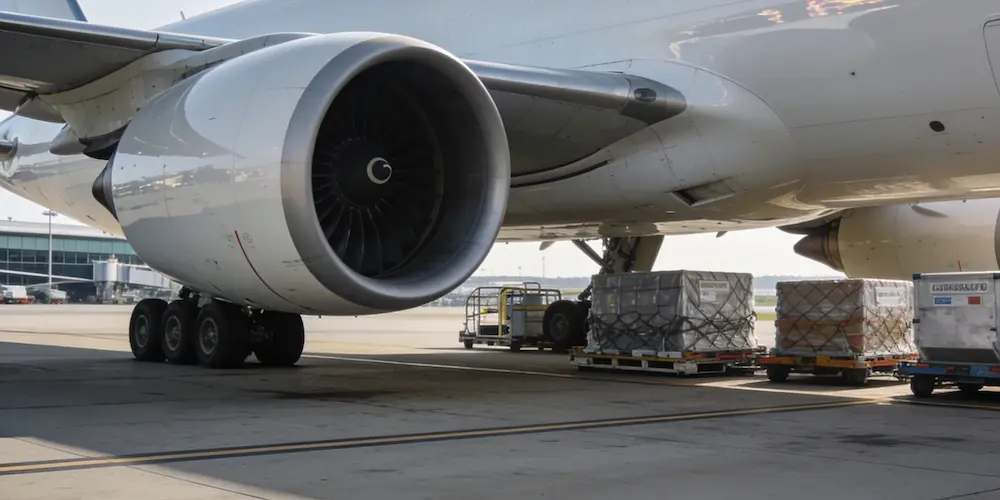
Know When Air Freight Makes Sense
Although controlling transportation costs is important, there are situations where air freight is the most practical option. Businesses should evaluate both the cost of shipping and the potential consequences of delays.
Air freight may be the right choice when:
Making transportation decisions based on business impact helps organizations use air freight more effectively.
Track Performance and Results
Monitoring key performance indicators helps businesses understand how air freight supports their operations. Metrics such as on-time delivery rates, expedited shipment frequency, and transportation costs can provide valuable insights into shipping performance.
Regular performance reviews help identify opportunities for improvement and support better transportation planning over time.
Final Thoughts
Air freight remains an essential part of modern supply chains, especially when speed and reliability are critical. By establishing clear processes, strengthening carrier relationships, improving visibility, and reducing avoidable expedited shipments, businesses can gain greater control over transportation costs while maintaining service performance.
Citadel Cargo provides air freight solutions designed to support time-sensitive shipments and evolving supply chain requirements. Our team works closely with customers to help move freight efficiently, reliably, and according to their business needs.